New aviation rules require airlines to offer a majority of seats without selection fees and ensure group travellers are seated together, aiming to improve transparency, reduce complaints, and enhance overall passenger experience across India’s aviation sector.
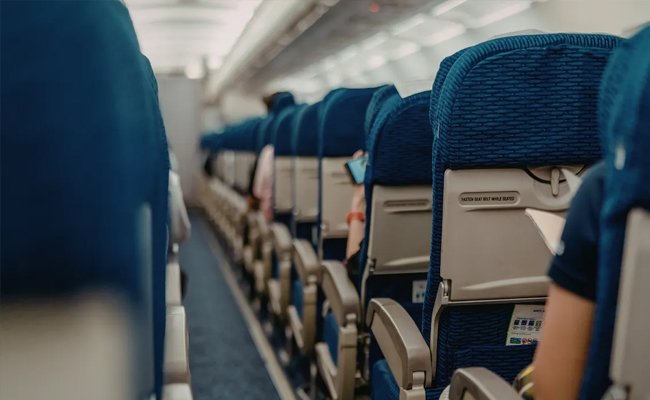
In a move aimed at improving passenger convenience, the Directorate General of Civil Aviation (DGCA) has directed airlines to allocate at least 60% of seats on every flight without any additional seat selection charges. The regulator has also asked carriers to ensure that passengers travelling on the same booking, or PNR, are seated together, preferably in adjacent seats.
The directive addresses one of the most common complaints among air travellers—being charged extra for basic seat allocation or being separated from family members unless they pay additional fees. While the implementation may pose operational challenges, especially in cases of pre-booked seats, the move is expected to bring greater fairness and transparency to air travel.
Focus on passenger rights and transparency
The DGCA has been steadily tightening passenger protection norms. In April 2024, it had already mandated that children up to 12 years of age must be seated with at least one parent or guardian without any extra charges if they are on the same booking. The latest directive expands this approach to include all group travellers.
Globally, similar concerns have been raised. In the United States, the issue gained attention when then President Joe Biden called for action against airlines charging families extra to sit together, highlighting the widespread nature of the problem.
Broader reforms across airline services
Beyond seat allocation, the DGCA has introduced additional guidelines to strengthen consumer rights. Airlines have been asked to adopt transparent policies for carrying sports equipment, musical instruments, and pets, ensuring clarity for passengers at the time of booking.
The regulator has also emphasized strict adherence to passenger rights in cases of delays, cancellations, and denied boarding. Airlines must prominently display these rights across websites, mobile apps, booking platforms, and airport counters, along with clear communication in regional languages to improve accessibility.
The aviation ministry said the measures are part of a broader effort to enhance passenger experience, reduce grievances, and promote transparency across the sector. As air travel continues to grow in India, these reforms are expected to play a key role in building trust and improving service standards.