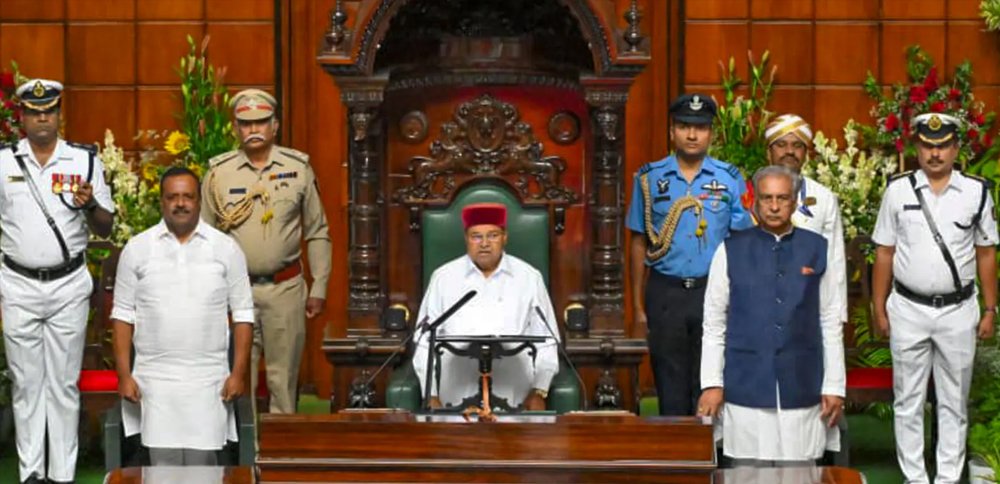
Karnataka Governor Thaawarchand Gehlot has reserved the state’s Hate Speech and Hate Crime (Prevention) Bill, 2025, for Presidential assent, citing constitutional ambiguities, procedural gaps, and risks to free expression and personal liberty.
The Karnataka Hate Speech and Hate Crime (Prevention) Bill, 2025, has been reserved for Presidential consideration after Governor Thaawarchand Gehlot raised serious constitutional and legal objections to the proposed legislation. The decision follows concerns over potential conflicts with fundamental rights and existing central laws.
In a formal communication to the state government, the Governor invoked Articles 200, 201 and 254 of the Constitution, stating that the Bill requires deeper scrutiny to determine its constitutional validity. The legislation, passed during the winter session of the Karnataka Legislature in Belagavi in December 2025, will now be examined at the national level before any further action.
Governor flags free speech and legal ambiguities
While acknowledging the social harm caused by hate speech, the Governor cautioned against laws that could undermine democratic freedoms. According to reports citing government sources, he observed that restricting liberty in the name of regulation could be counterproductive, stressing that education, awareness and dialogue remain essential tools to address societal divisions.
The Governor flagged multiple concerns, including vague definitions, excessive scope, and the risk of discouraging lawful expression protected under Article 19(1)(a). He also pointed to issues of proportionality and due process under Articles 19 and 21, warning that criminal statutes must clearly define offences to prevent misuse.
Nearly 40 representations opposing the Bill were reportedly submitted to the Raj Bhavan. Critics argued that the legislation was passed without adequate consultation with civil society groups, media organisations, digital platforms, and legal experts.
Objections to definitions and enforcement powers
One of the key objections relates to the Bill’s definition of “hate speech,” which includes any spoken, written, visual or digital expression deemed to promote hostility or ill-feeling against individuals or groups. The Governor is understood to have warned that such broad language could criminalise ordinary speech and grant excessive discretionary power to enforcement agencies.
The Bill also introduces organisational liability, holding office-bearers accountable for hate speech linked to their entities, and empowers the state to restrict online content considered hateful.
Controversy surrounding the Bill intensified earlier this year after police in Chikkamagaluru issued a notice to a BJP leader citing provisions of the proposed law before it had received gubernatorial assent. The Opposition accused the Congress-led government of intimidation, while officials later ordered a departmental inquiry into the incident.
With the Bill now reserved for Presidential assent, its future will depend on a detailed constitutional review, potentially shaping how hate speech laws are framed and enforced across states.